The first time I ever tried lemongrass, years ago at a Vietnamese restaurant, I was instantly fascinated. I pointed at the little pieces and asked the waiter what this delicious thing was. That’s lemongrass, he said. I eagerly picked up every last piece with my chopsticks. Lemongrass recipes have had a permanent spot in my kitchen ever since.
What Is Lemongrass?
Lemongrass is a tall, grass-like plant from Southeast Asian cuisine, known for its intense, lemony aroma, without the acidity of an actual lemon. Mostly the lower, firmer part of the stalk is used for lemongrass recipes, which releases its essential oil when finely chopped or crushed. In curries, soups, marinades, and sauces, lemongrass lends that typically fresh, slightly floral note familiar from Thai or Vietnamese cooking.
Buying Lemongrass
These days you can often find fresh lemongrass at larger supermarkets, in the produce section. The most reliable place to get it is at Asian grocery stores, where it’s usually cheaper too, since they order it in bigger quantities. When buying fresh lemongrass, look for plump, firm stalks with as few brown or dried-out spots as possible.
My favorite way to buy it is in a big bag from the freezer section of the Asian grocery store, that way I always have some on hand. It’s easy to cut almost straight from frozen. For my lemongrass recipes, I honestly can’t tell a difference between frozen and fresh lemongrass.
Alternatively, you can also get lemongrass as a paste in a tube or dried, both work as a backup option, but neither quite matches the flavor of fresh lemongrass.
Cutting & Preparing Lemongrass
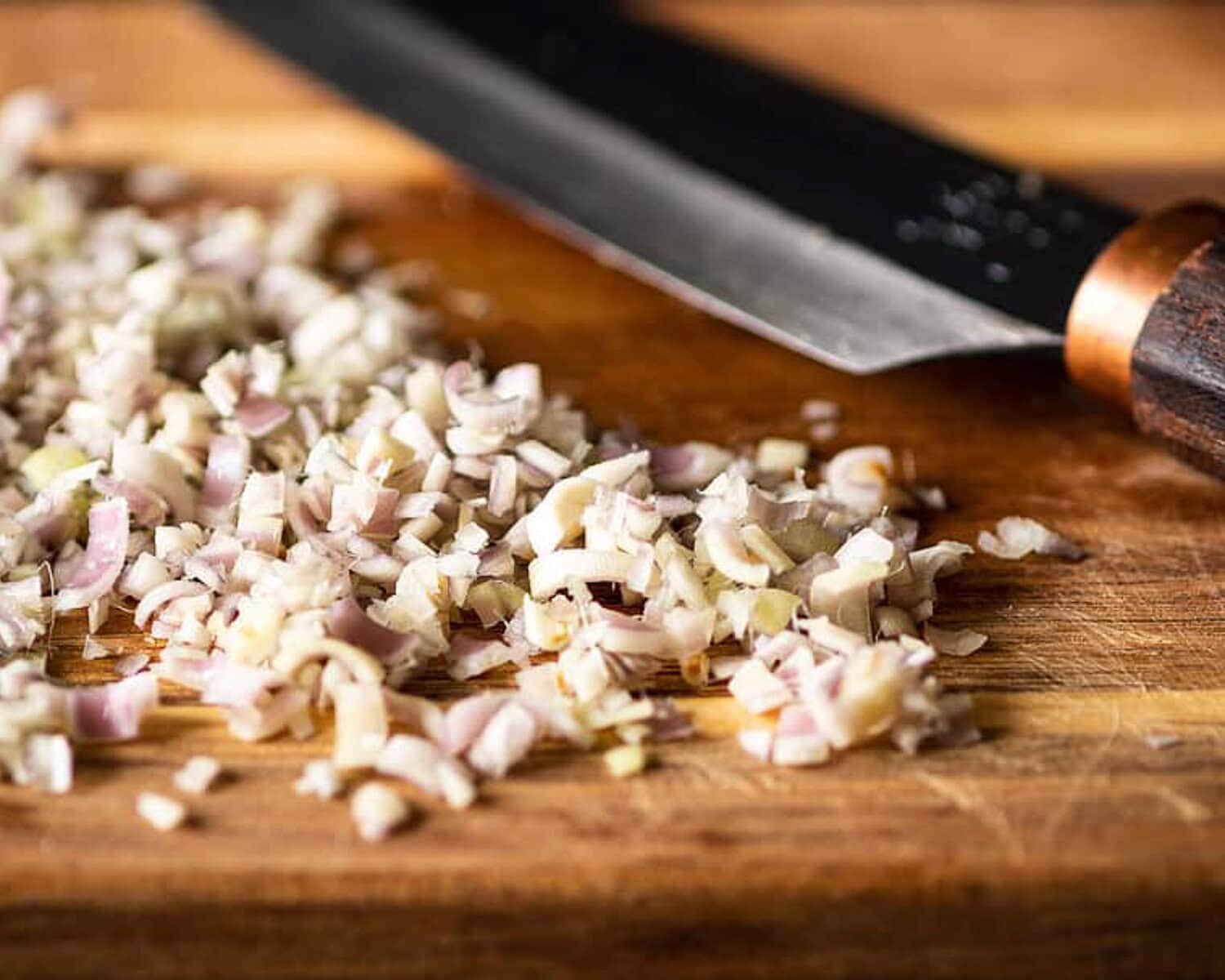
Here’s how to peel and chop lemongrass for lemongrass recipes: remove the root end and the tough, woody outer leaves. Cut the white part with the purple rings into thin slices, then chop finely. I often include a bit of the green part too. The tough, dry end can be discarded. This is how it’s prepared for the following three recipes.
If you need lemongrass for recipes like soup or curry, don’t chop it, instead, work the whole stalks a bit, for example bending them back and forth or hitting them a few times with something heavy. This releases the essential oils that flavor your food. Simply cook it along and remove it before eating.
Storing & Freezing Lemongrass
Fresh lemongrass keeps in the fridge for about 1–2 weeks, wrapped in a damp cloth or a bag. For longer storage, it freezes beautifully, ideally already sliced into rings or finely chopped and portioned, so you can grab exactly the amount you need straight from the freezer without thawing everything. Alternatively, freeze the peeled, trimmed stalks whole and chop them later for lemongrass recipes.
3 Delicious Vegan Recipes with Lemongrass
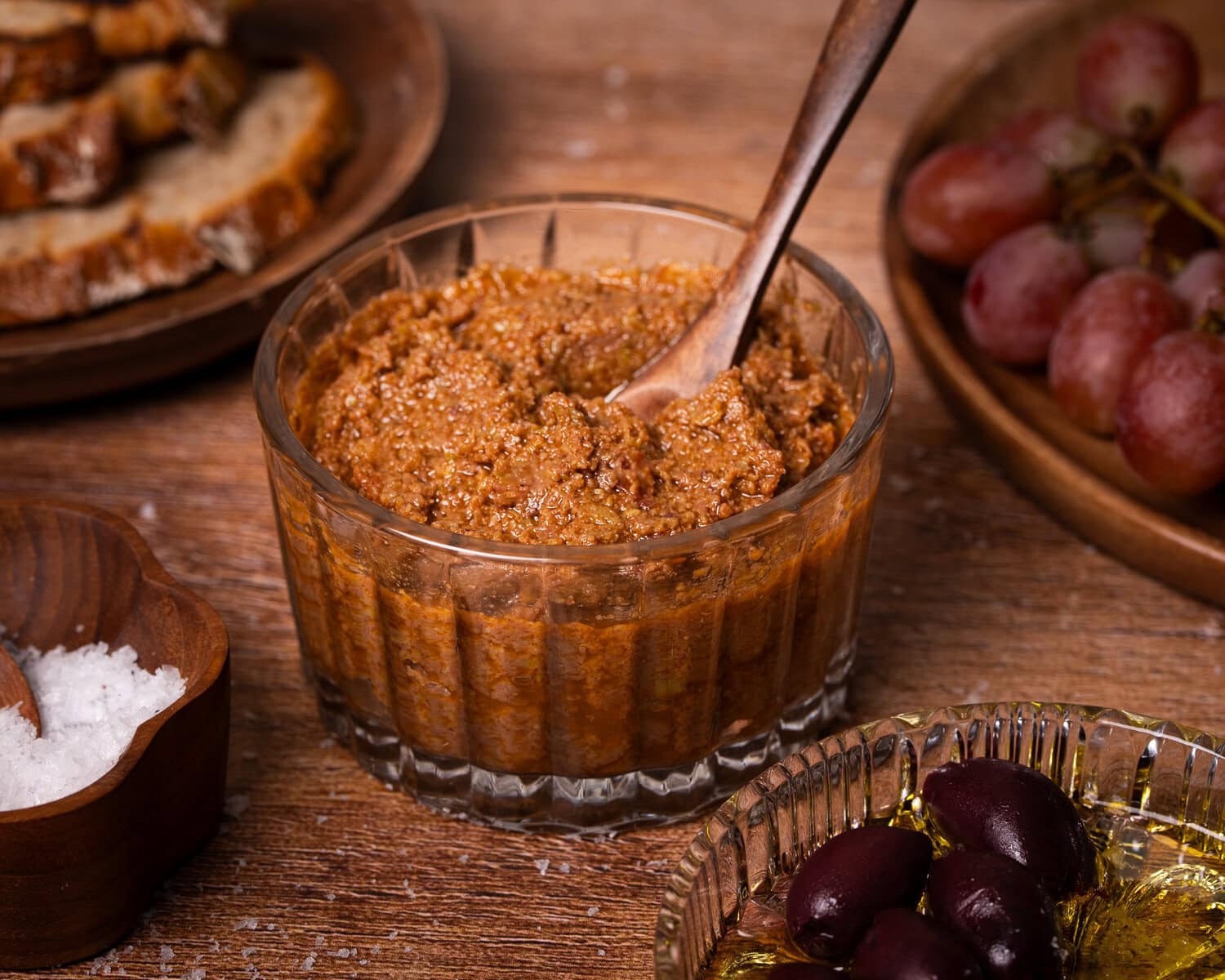
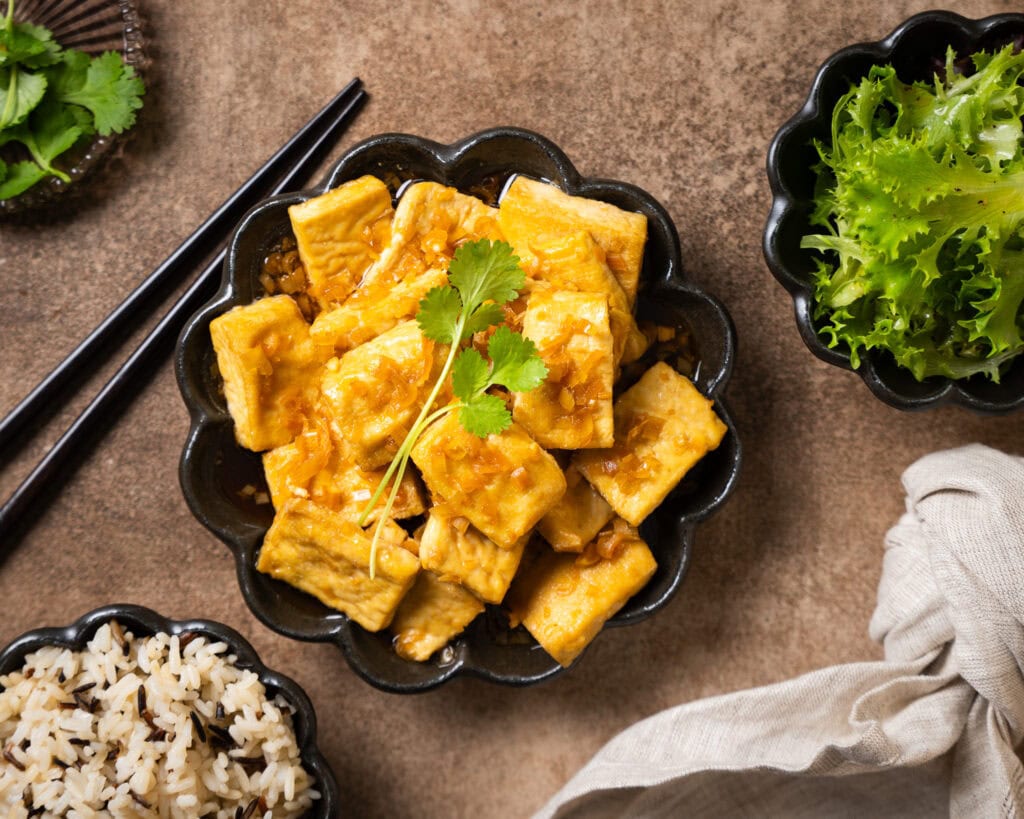
FLUFFY TOFU WITH LEMONGRASS SAUCE
Tender, fluffy tofu from the air fryer or oven with an aromatic lemongrass sauce, which also works wonderfully as a lemongrass dip for other dishes.
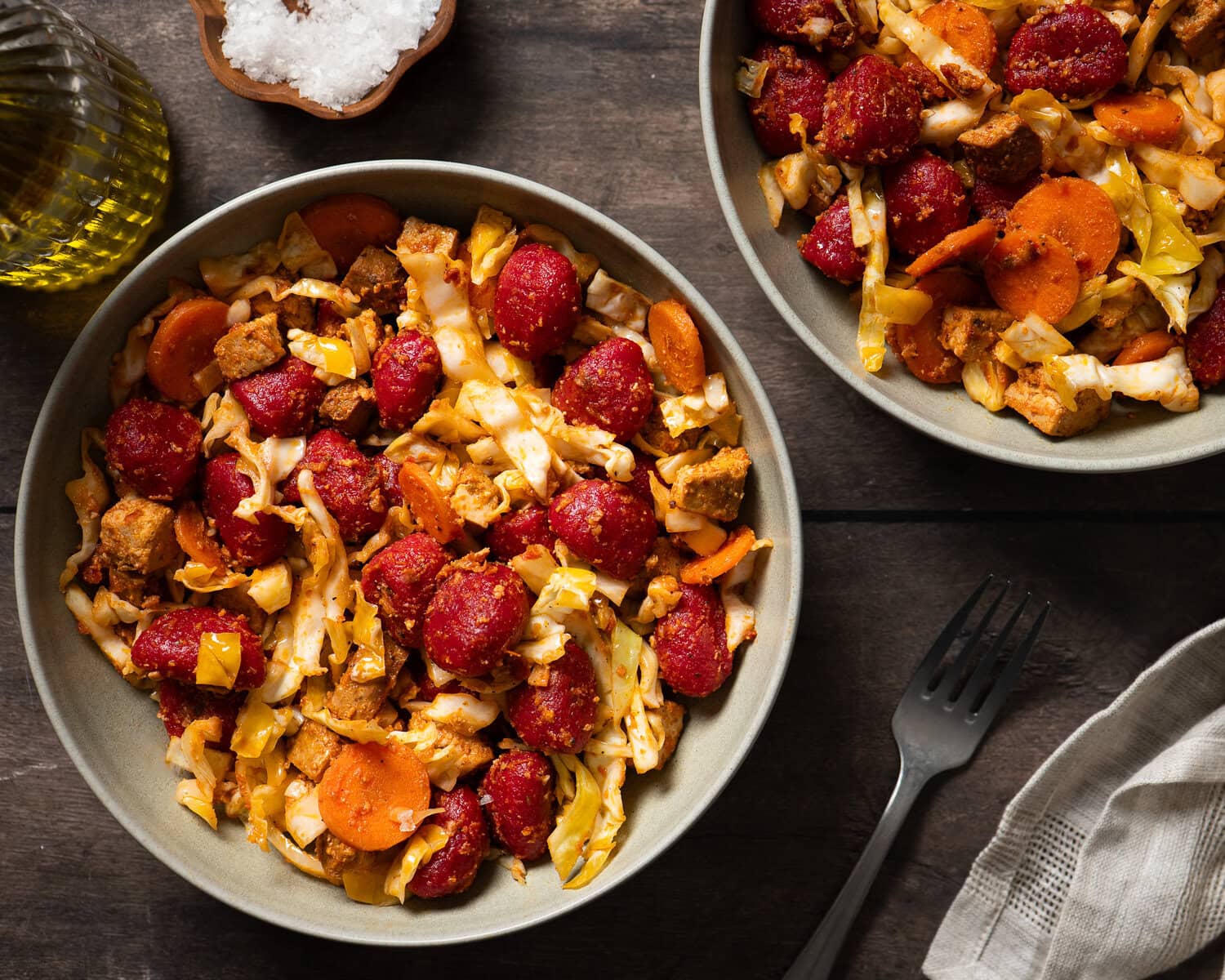
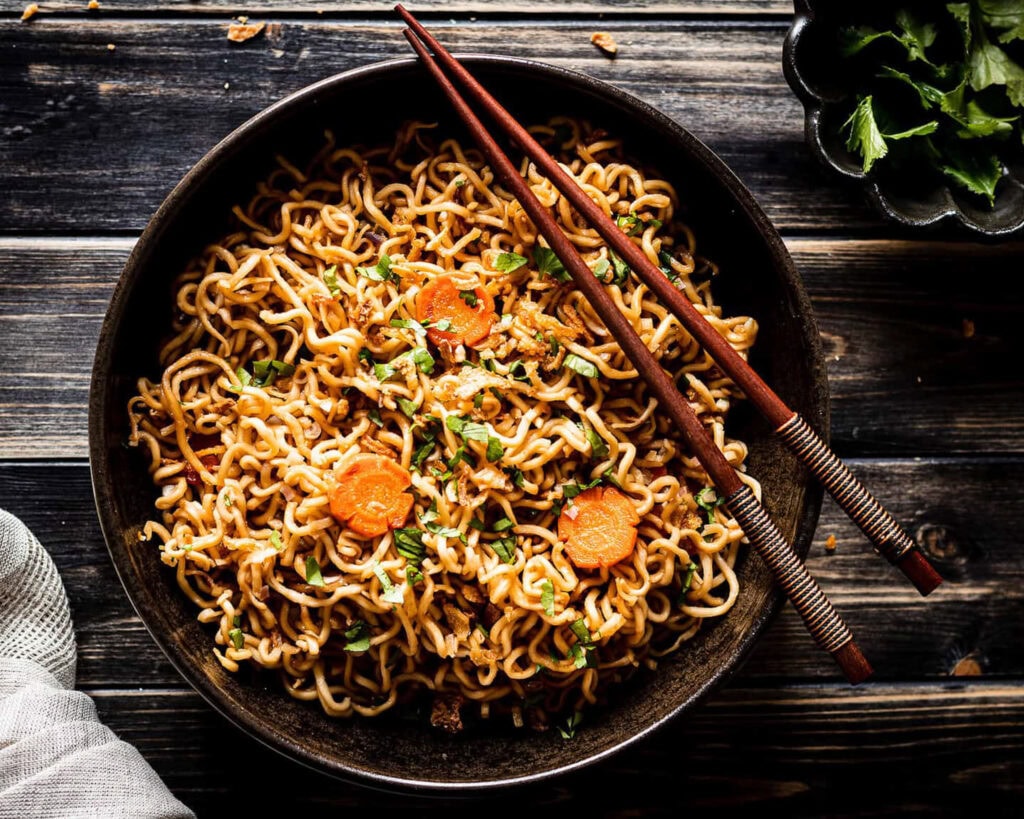
LEMONGRASS NOODLES
Quick, aromatic noodles with that classic fresh lemongrass flavor.
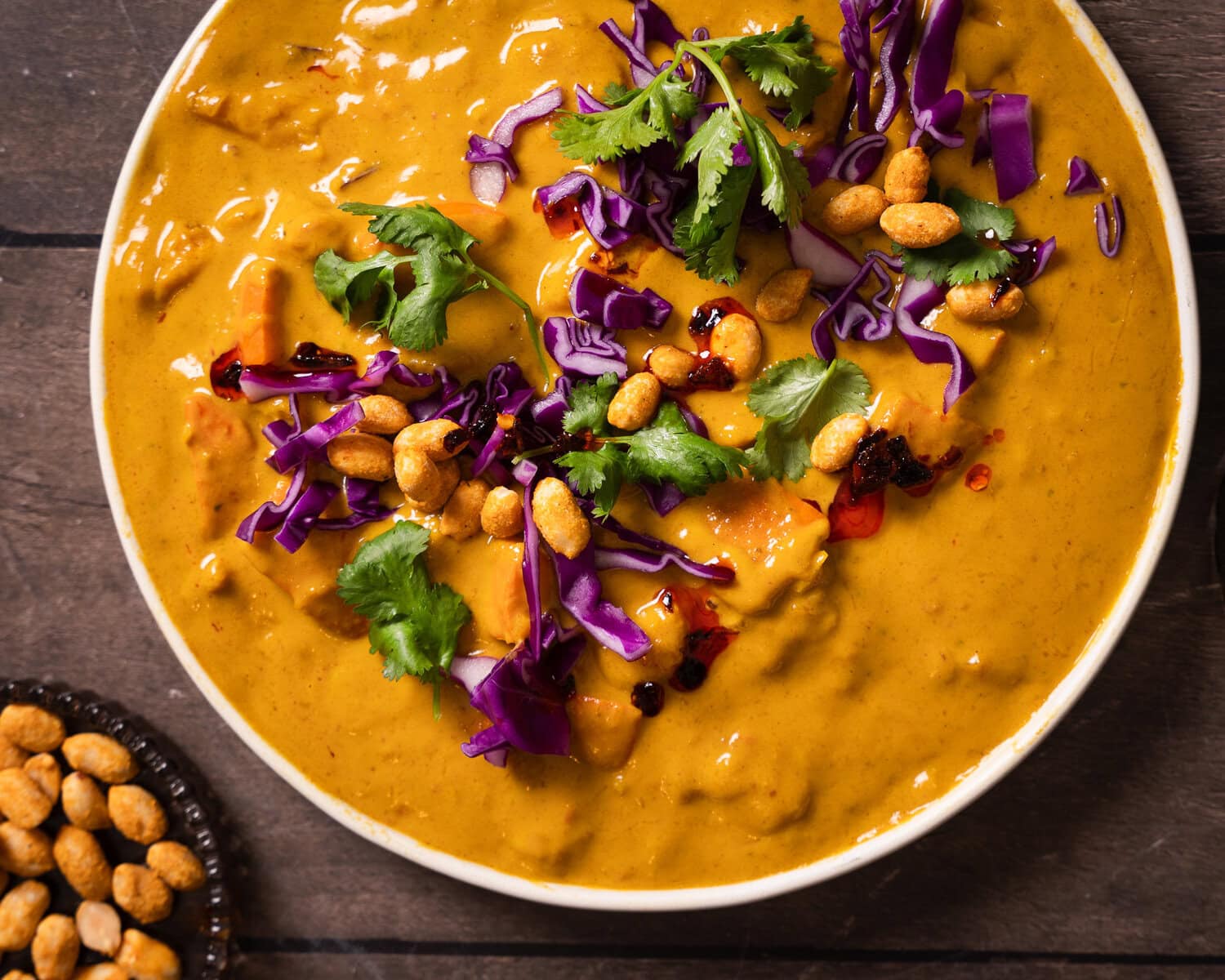
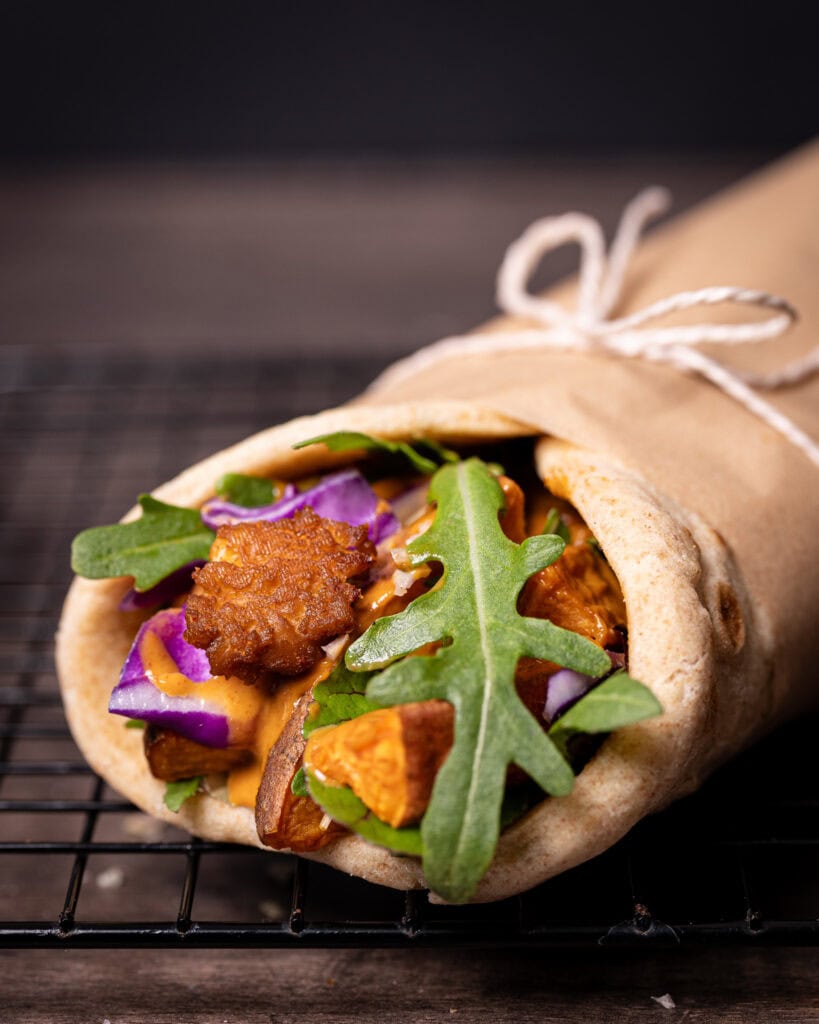
LEMONGRASS WRAP WITH SWEET POTATOES AND PEANUT SAUCE
A hearty sweet potato wrap with fragrant homemade pita, sweet potatoes, spicy crispy smoked tofu, lemongrass, and satay sauce, perfect for guests.
FAQ Frequently Asked Questions About Lemongrass
Can you eat lemongrass raw?
The outer stalks are very fibrous and tough, so you don’t really eat them raw or whole. Finely chopped or made into a paste, though, the tender inner core can definitely be used raw, for example in dressings.
What can I substitute if I can’t get fresh lemongrass?
Lemongrass paste from a tube or dried lemongrass are the closest substitutes for lemongrass recipes. As an absolute last resort, a bit of lemon or lime zest can add a hint of freshness, though it won’t really replicate the distinctive lemongrass flavor.
How do I recognize fresh, good-quality lemongrass?
Look for plump, firm stalks with no brown or dried-out spots. The fresher it is, the more intense the scent when you rub it lightly.
Do I need to remove lemongrass before serving?
If you cooked with whole, crushed stalks, yes, nobody wants to eat those. Finely chopped or ground lemongrass, on the other hand, stays in the dish.